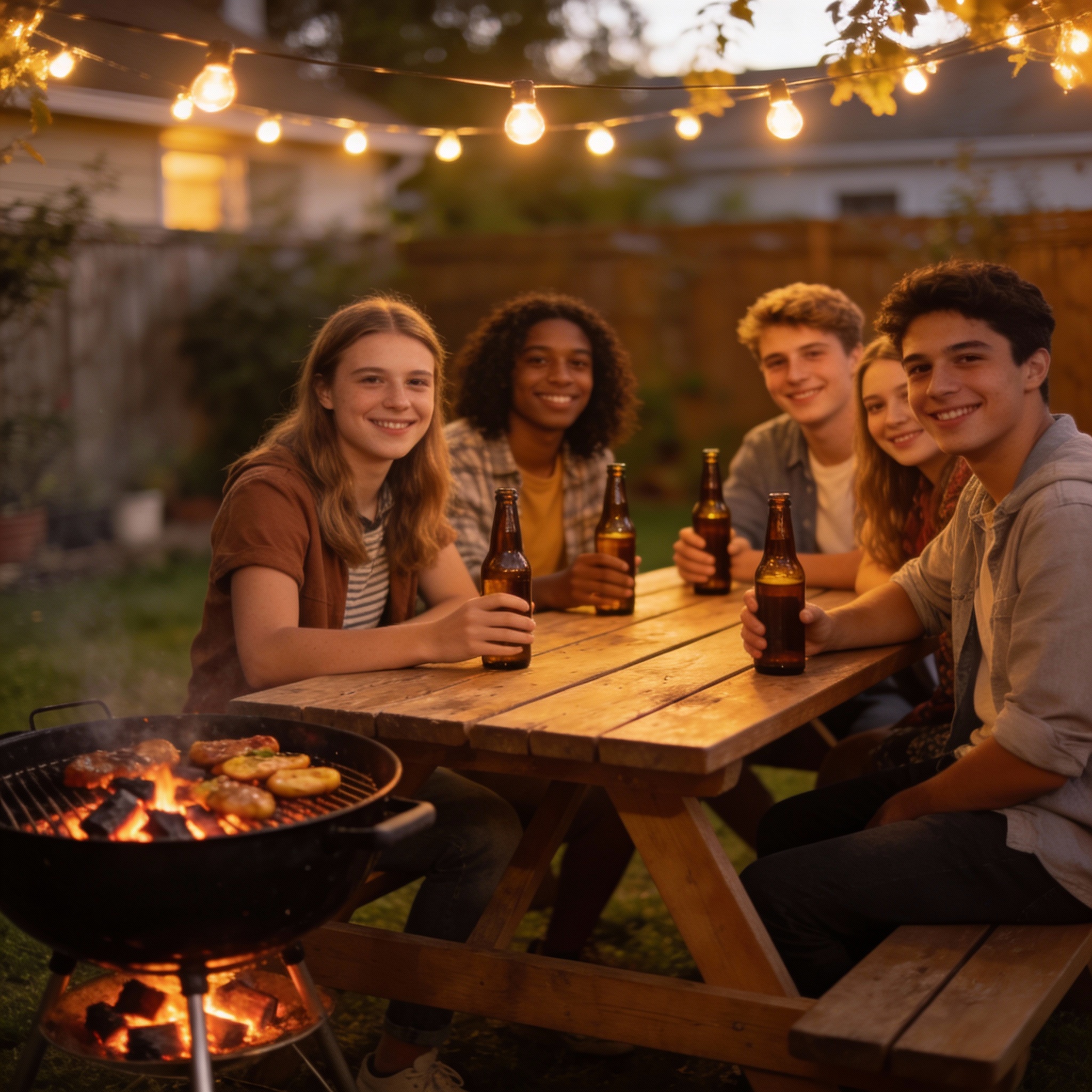
If you walk into any supermarket or gas station in the world, the vast majority of the cans you see are lager beer. It is the undisputed king of the beer world. From big American brands to classic German imports, this style dominates the market. But because it is so common, many people make the mistake of thinking it is boring or simple. They assume that all lagers taste the same.
This could not be further from the truth. While the light and fizzy version is the most famous, the lager family is actually huge. It includes dark beers, strong beers, and complex beers that can rival any fancy ale. We are going to explore what actually makes a beer a lager, why it tastes so clean, and how you can find better options without spending a fortune.
What Makes a Beer a Lager?
To understand this drink, you have to look at how it is made. The main difference between the two big families of beer, ales and lagers, comes down to the yeast and the temperature.
Ales are made with yeast that likes warm temperatures. They ferment quickly and float to the top of the tank. This creates fruity and spicy flavors.
Lager beer is different. It uses a yeast strain that works best in cold temperatures. This yeast sinks to the bottom of the tank. The process takes much longer and requires a lot of patience. After the fermentation is done, the beer undergoes a process called lagering. This word comes from the German word lagern, which means to store. The beer is kept cold for weeks or even months.
This long cold nap cleans up the beer. The yeast eats up all the leftover sugars and chemical byproducts. The result is a liquid that is incredibly clear, crisp, and smooth. It does not have the fruity esters of an ale. Instead, it highlights the pure taste of the malt and the hops.
Ale vs Lager: The Quick Comparison
It helps to see the differences side by side. Here is a simple breakdown of why these two styles taste so distinct.
| Feature | Ale | Lager |
| Yeast Type | Top-fermenting | Bottom-fermenting |
| Temperature | Warm (60-75°F) | Cold (35-50°F) |
| Fermentation Time | Short (weeks) | Long (months) |
| Flavor Profile | Fruity, complex, spicy | Clean, crisp, smooth |
| Best Served | Cool (cellar temp) | Very Cold |
The Many Colors of Lager
This is where things get interesting. Most students think lager is always pale yellow. However, the color of beer comes from the toasted malt, not the yeast. You can make a lager with roasted black malt, and it will be as dark as coffee.
Pale Lager
This is what most people know. It is straw-colored, highly carbonated, and very light. The flavor is mild. It is designed to be refreshing. Famous examples include Heineken or Budweiser. It is the perfect choice for a hot day at the beach.
Pilsner
This is the father of most modern pale lagers. It originated in the Czech city of Plzen. A real Pilsner has a bit more kick. It is golden but uses spicy Saaz hops. This gives it a distinct bitterness and a floral aroma that generic lagers lack.
Helles
If you go to Munich, this is what you drink. Helles implies bright or light. It is less bitter than a Pilsner. It focuses on the flavor of the bread-like malt. It is soft and slightly sweet. It is arguably the most drinkable beer style in existence.
Dunkel
Dunkel simply means dark in German. These beers are brown or mahogany. They taste like toasted bread crusts, caramel, or nuts. But because they are lagers, they are not heavy like a stout. They finish clean and crisp. It is a great gateway for people who think they do not like dark beer.
Bock
These are strong lagers. They were originally brewed by monks to sustain them during fasting. They are high in alcohol and very malty. They taste like liquid toast with a hint of dried fruit.
How to Serve It Correctly
Since lagers are clean and crisp, they need to be served cold. Warmer temperatures can make them taste flat or unappealing. You want to aim for 38 to 45 degrees Fahrenheit. This is basically straight out of the fridge.
The glass matters too. You often see tall, slender glasses for Pilsners. This shape shows off the golden color and the rising bubbles. It also helps maintain the foam head. For a Helles or a Dunkel, a thick glass mug with a handle is traditional. The handle keeps your warm hand away from the glass, so the beer stays cold longer.
Perfect Food Pairings
One of the best things about this style is how food-friendly it is. It acts as a palate cleanser. The bubbles and the cold temperature wash away grease and spice, getting you ready for the next bite.
Pizza
There is a reason pizza and beer is a classic combo. The acidity of the tomato sauce and the fat of the cheese need something to cut through them. A crisp pale lager is perfect for this.
Spicy Food
If you are eating hot wings, Indian curry, or spicy tacos, avoid heavy ales. The high alcohol and hops in ales can make the spice burn more. A cold lager calms the heat and refreshes your tongue.
Burgers and Fries
A Helles or a generic American lager pairs beautifully with a salty burger. The malt sweetness compliments the meat, while the carbonation scrubs the salt off your tongue.
Sausages
German bratwurst and Dunkel are a match made in heaven. The roasted flavors of the dark lager match the char on the grilled meat.
Dispelling Common Myths
Let us clear up a few misconceptions before you head to the store.
Myth: Lager is cheap and low quality.
Fact: Brewing a good lager is actually harder than brewing an ale. Because the flavor is so clean, there is nowhere for the brewer to hide mistakes. If you make a mistake in an ale, you can cover it with hops. In a lager, every flaw shows. Good craft lagers are a sign of a very skilled brewer.
Myth: Dark beer is always heavy.
Fact: As we mentioned with Dunkel, color does not equal weight. A black lager can be just as light and refreshing as a pale one. Do not be afraid of the dark color.
Myth: All lagers are fizzy water.
Fact: This is only true for mass-market light beers. A Dopplebock is thick and rich. A Rauchbier tastes like smoke and bacon. The variety is endless if you look past the big commercial brands.
Conclusion
Next time you are looking for a drink, give the lager section a second look. Do not just grab the same 30-pack you always buy. Look for a local craft Pilsner or a German Dunkel. You will find that these beers offer a wonderful balance of flavor and drinkability. They are perfect for students because they are easy to drink, but they also offer enough complexity to keep things interesting. Whether you are eating pizza with friends or relaxing after a long study session, there is a lager style that fits the moment perfectly. Tight deadlines can create unnecessary stress. https://essayhub.com/academic-ghost-writers provides support that helps students manage writing tasks more confidently.